
Introduction
There’s a moment every homeowner or renter hits when their space feels “almost right,” but not quite inspiring. That’s usually the point where creativity either stalls or takes off. Learning how to push your design pydhomedecor ideas can be the difference between a room that looks fine and one that feels unforgettable.
In reality, great home decor isn’t about copying a catalog or chasing trends blindly. It’s about understanding how design choices affect mood, function, and identity. When you push your design pydhomedecor ideas intentionally, you give yourself permission to experiment, refine, and tell a story through your space.
That said, many people feel stuck because they don’t know where to begin or how far is “too far.” This guide breaks that fear down, step by step, and shows you how to move from safe decor to confident, expressive design—without wasting money or overwhelming yourself.


Table of Contents
Understanding the Pydhomedecor Design Philosophy
Why You Should Push Your Design Pydhomedecor Ideas
Foundations Before You Go Bold
How to Push Your Design Pydhomedecor Ideas Room by Room
Color, Texture, and Light: The Silent Influencers
Budget-Smart Ways to Elevate Your Space
Common Mistakes That Hold Designs Back
Personal Background: The Rise of the Pydhomedecor Mindset
FAQs
Conclusion
Understanding the Pydhomedecor Design Philosophy
Pydhomedecor isn’t just a style; it’s a mindset rooted in personalization, practicality, and visual harmony. At its core, it blends modern design sensibilities with lived-in comfort.
Instead of focusing on perfection, this philosophy prioritizes how a space functions in real life. Furniture should invite use, colors should support mood, and decor should feel collected rather than staged. When you push your design pydhomedecor ideas, you’re embracing design as an evolving process rather than a one-time project.
What Makes Pydhomedecor Different?
Pydhomedecor stands out because it balances creativity with restraint.
Key principles include:
- Intentional layering rather than clutter
- Mixing high and low-cost elements
- Designing around people, not trends
This approach allows flexibility, making it ideal for renters, homeowners, and creatives alike.
Why You Should Push Your Design Pydhomedecor Ideas
Playing it safe often leads to forgettable interiors. On the other hand, when you push your design pydhomedecor ideas, you unlock emotional value in your home. According to interior psychology studies, well-designed spaces can improve mood, productivity, and even sleep quality.
However, pushing ideas doesn’t mean chaos. It means questioning defaults. Why must a sofa be neutral? Why can’t a hallway make a statement? In reality, the most memorable homes often come from thoughtful risks.
Emotional and Practical Benefits
- Stronger personal connection to your space
- Better functionality tailored to daily habits
- A home that evolves with you rather than feeling outdated
Foundations Before You Go Bold
Before experimenting, you need a solid base. Think of this as preparing a canvas before painting.
Define Your Design Intent
Ask yourself what you want each room to feel like. Calm? Energizing? Cozy? This emotional goal becomes your filter for decisions. Without it, even bold ideas can feel random.
Understand Scale and Proportion
Many decor mistakes come from ignoring scale. Oversized furniture in small rooms or tiny art on large walls can make even expensive decor look awkward. Pushing ideas works best when proportions are respected.
Build a Flexible Base Palette
Neutral doesn’t mean boring. Soft whites, warm grays, or earthy tones create breathing room for experimentation. Once this base is set, accent colors and textures can shine.
How to Push Your Design Pydhomedecor Ideas Room by Room
Every room offers unique opportunities to stretch creativity without overwhelming the entire home.
Living Room: Where Personality Lives
The living room sets the tone. This is the ideal place to introduce statement pieces.
Ways to push boundaries:
- A bold accent wall or textured wallpaper
- Mixing vintage and modern furniture
- Layered lighting instead of a single overhead fixture
Using <strong>push your design pydhomedecor ideas</strong> here often means letting one daring element lead while others support it.
Kitchen: Functional Doesn’t Mean Plain
Kitchens are often overlooked creatively. Yet, small changes make a huge difference.
Consider:
- Open shelving with curated items
- Unexpected hardware finishes
- Statement backsplashes
In reality, kitchens benefit most from thoughtful details rather than full renovations.
Bedroom: Designing for Emotion
Bedrooms should feel restorative. Pushing ideas here is about texture and mood rather than noise.
Try:
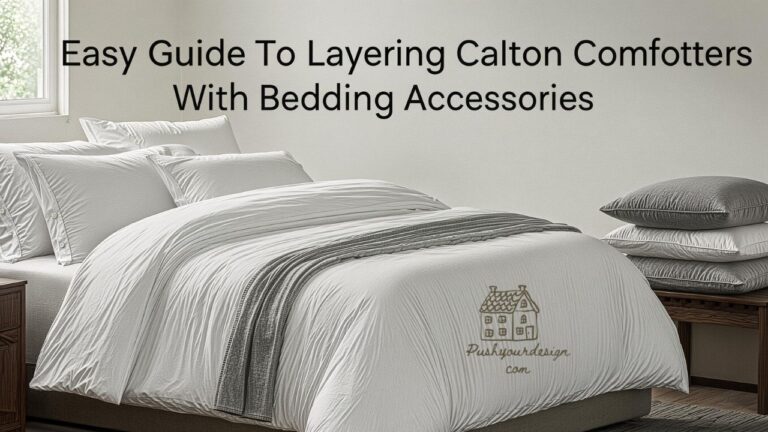
- Layered bedding with varied fabrics
- Moody wall colors balanced with soft lighting
- Personal artwork instead of generic prints
Bathroom: Small Space, Big Impact
Bathrooms are perfect for experimentation because of their size. A bold tile or dramatic mirror can completely redefine the space without major risk.
Color, Texture, and Light: The Silent Influencers
These three elements quietly shape how a room feels more than any single decor item.
Color Psychology in Practice
Colors trigger emotional responses. Blues calm, greens balance, and warm tones energize. When you push your design pydhomedecor ideas using color, think beyond walls. Furniture, art, and even books contribute.
Texture Creates Depth
A room without texture feels flat. Mixing wood, metal, glass, and fabric adds dimension. Even minimal spaces feel rich when textures are layered intentionally.
Lighting as a Design Tool
Lighting is often an afterthought, but it shouldn’t be.
Effective lighting strategies include:
- Ambient lighting for overall glow
- Task lighting for function
- Accent lighting to highlight features
Budget-Smart Ways to Elevate Your Space
Design confidence doesn’t require unlimited funds. In fact, constraints often spark creativity.
Invest Where It Matters
Spend on items you touch daily: sofas, mattresses, chairs. These pieces anchor your space and affect comfort long-term.
Save on Accessories
Decor accents can be swapped easily. Thrift stores, online marketplaces, and DIY projects allow you to push your design pydhomedecor ideas without financial stress.
Refresh Instead of Replace
Paint, new hardware, or updated textiles can completely transform existing furniture. This approach is sustainable and budget-friendly.
Common Mistakes That Hold Designs Back
Even motivated decorators hit roadblocks. Recognizing them early saves time and money.
Following Trends Too Closely
Trends fade quickly. Incorporate them sparingly so your home doesn’t feel dated in a year.
Overcrowding the Space
More decor doesn’t equal better design. Negative space allows focal points to breathe and feel intentional.
Ignoring Personal Lifestyle
A beautiful space that doesn’t match daily habits will never feel right. Design should support how you actually live, not an idealized version.
Personal Background: The Rise of the Pydhomedecor Mindset
The pydhomedecor movement grew from a desire to humanize interior design. Instead of celebrity-driven aesthetics, it focuses on everyday living.
Designers and content creators behind this mindset often started by sharing real homes—messy, evolving, and authentic. Over time, this approach gained traction because people saw themselves reflected in it.
Financially, the influence of pydhomedecor-inspired creators has grown steadily. Many earn through digital courses, collaborations, and content platforms, proving that relatable design can be both impactful and sustainable.
FAQs
Frequently Asked Questions
How often should I update my decor?
Most experts recommend small seasonal updates rather than full redesigns. This keeps spaces fresh without burnout.
Is pushing design ideas risky for renters?
Not necessarily. Focus on removable changes like art, textiles, and lighting to avoid permanent alterations.
Can minimalists push their design ideas?
Absolutely. Minimalism thrives on intentionality. One bold element can elevate an entire room.
How do I know when a space is “done”?
In reality, spaces evolve. When a room feels functional, comfortable, and expressive, it’s complete for now.
Do bold designs affect resale value?
Neutral foundations with bold accents offer the best balance, appealing to buyers while reflecting personality.
What’s the easiest way to start?
Start with one room and one change. Momentum builds naturally from there.
Conclusion
Learning to push your design pydhomedecor ideas is less about rules and more about confidence. Homes should tell stories, support real life, and evolve with the people inside them. When you approach design with curiosity instead of fear, even small changes feel meaningful. Over time, those thoughtful decisions add up to a space that doesn’t just look good—but feels like home.