
Small apartments can feel incredibly suffocating, limiting us in both physical and emotional space. But living in a compact area doesn’t mean compromising on comfort or style. We’ve got strategies that can make your tiny space more spacious than you’d believe.
Multi-Functional Furniture
Furniture should multitask. A sofa that turns into a bed. A coffee table with storage beneath. A desk that functions as a dining table. These are your allies in a compact home. You don’t need a furniture store’s worth of items, just the right ones.
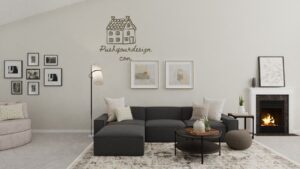
Look for modular furniture that can be adjusted based on your needs. A modular sofa can turn an entertainment zone into a comfortable guest bed in minutes. Such flexibility makes furniture an active participant in ensuring your space is as versatile as your lifestyle.
Converting items, such as a nesting table set or a stackable stool collection, allows you to adapt to any number of guests. These items, while compact, offer extended usability and functionality unmatched by their bulky counterparts.
When managing a small apartment, it’s often necessary to part with items that no longer fit your needs or space constraints. In such cases, consider residential junk removal options from local companies like Junk Jaws, to help efficiently clear out unneeded belongings, making room for more suitable and functional pieces.
Optical Illusions with Mirrors
Mirrors create the impression of space. They reflect light, making tiny rooms appear spacious. Consider mirrored wardrobes or a well-placed full-length mirror. Sometimes, the illusion of space feels just as rewarding as the real thing.
Strategically placing mirrors opposite windows can amplify natural light that streams into the room, making your apartment feel brighter and more expansive. A wall of strategic mirrors can bring new dimensions and depth into the space, transforming the smallest nook into a feature rather than an oversight.
Embrace Vertical Space
Walls aren’t just for posters or pictures. Use them effectively. Build upwards. Shelving systems, hooks for hanging, or even vertical planters. Get creative. Vertical storage can double your space without shrinking your floor size.
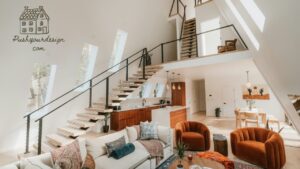
Additionally, consider installing lofted spaces if ceiling height permits. A raised sleeping area or storage nook can maximize the cubic footage of your room. This extra layer not only adds dimension but also delineates spaces clearly within the apartment.
If space allows, implement a wall-mounted desk or drop-leaf table in your vertical arrangement. This small touch can provide a dedicated workspace or dining area without the commitment of excessive floor space. The ability to fold away these furniture elements ensures a clean, open environment when they are not in use.
Zone with Rugs
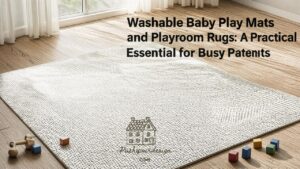
Rugs aren’t just decorative. In small apartments, they’re zoning masters. Define a workspace, living area, or reading nook with a distinct rug. It organizes a chaotic space into purpose-driven sections seamlessly.
Layering rugs of varying textures and sizes can create visual interest, providing subtle boundaries without physical barriers. Experiment with coordinating colors and patterns to ensure that each part of your home harmonizes with adjacent areas, establishing a sense of connectedness throughout.
Declutter Ruthlessly
Everything not necessary must go. Be merciless. Street repurposeable items. Donate unused clothing. Hold a garage sale. Maintaining only essentials isn’t just practical; it’s liberating. Every item you say goodbye to is square footage you claim back.
Organizing experts often recommend adopting the “one in, one out” rule. When bringing a new item into your home, remove one that no longer adds value. This strategy maintains balance and prevents clutter from resurfacing.
Invest a few minutes each day in tidying a small corner of your apartment. This daily habit prevents overwhelming clutter accumulation. Your surroundings remain fresh, welcoming, and ready to enjoy with minimal effort.
A dedicated system for incoming and outgoing items can help maintain a clutter-free environment. Set up designated bins or shelves for items you plan to recycle, donate, or sell. Routinely clearing this area ensures you’re consistently monitoring inventory, keeping your home feeling spacious and maintained.
Think Minimal
Less is always more. Overcrowding your place will leave it feeling crowded and stressed. Seek simplicity. A few well-chosen items trump a disjointed clutter collection every time.
To maintain that minimal and open feeling, revisit each room regularly to evaluate your possessions. Treat it as an evolving expression of your lifestyle, replacing outdated items with those that truly resonate with your current needs and tastes. A clean, serene environment allows your personal touches to stand out.
Light and Color
Light colors open up rooms. Pale hues make spaces appear airy, while dark tones close them in. Use whites, soft grays, or pastels. Maximize natural light. Large windows? Great. If not, invest in ample, layered lighting.
Incorporate elements like decorative light fixtures or soft, ambient light sources that can be adjusted according to the mood or activity. Use semi-translucent curtains to soften harsh sunlight, blending it into a gentle glow. Regular play with light tones and reflections can shift the perceived size and warmth of your living space.
A Home That Breathes
Every space deserves to breathe, including your small apartment. The secret lies in smart solutions, bold decisions, and the commitment to prioritize comfort over clutter. Embrace these principles and watch your space transform.
Personalize your decor to reflect who you are, but be selective with collectibles and memorabilia. A streamlined environment naturally emphasizes your unique style through carefully chosen pieces that speak volumes.