
Introduction
Walk into a room that instantly feels “right,” and chances are it wasn’t an accident. The colors flow, the furniture fits naturally, and the space somehow feels both stylish and personal. That balance is exactly what interior pushyourdesign aims to achieve—spaces that look good, feel good, and actually work for real life.
In today’s fast-paced world, our homes are doing more than ever. They’re offices, retreats, creative studios, and gathering spots. Interior pushyourdesign matters because it bridges aesthetics with function, helping people design spaces that support how they truly live, not just how rooms look in magazines.
Whether you’re redesigning a small apartment or planning a full home makeover, understanding this approach can save time, money, and frustration. More importantly, it helps you create a space that feels unmistakably yours.

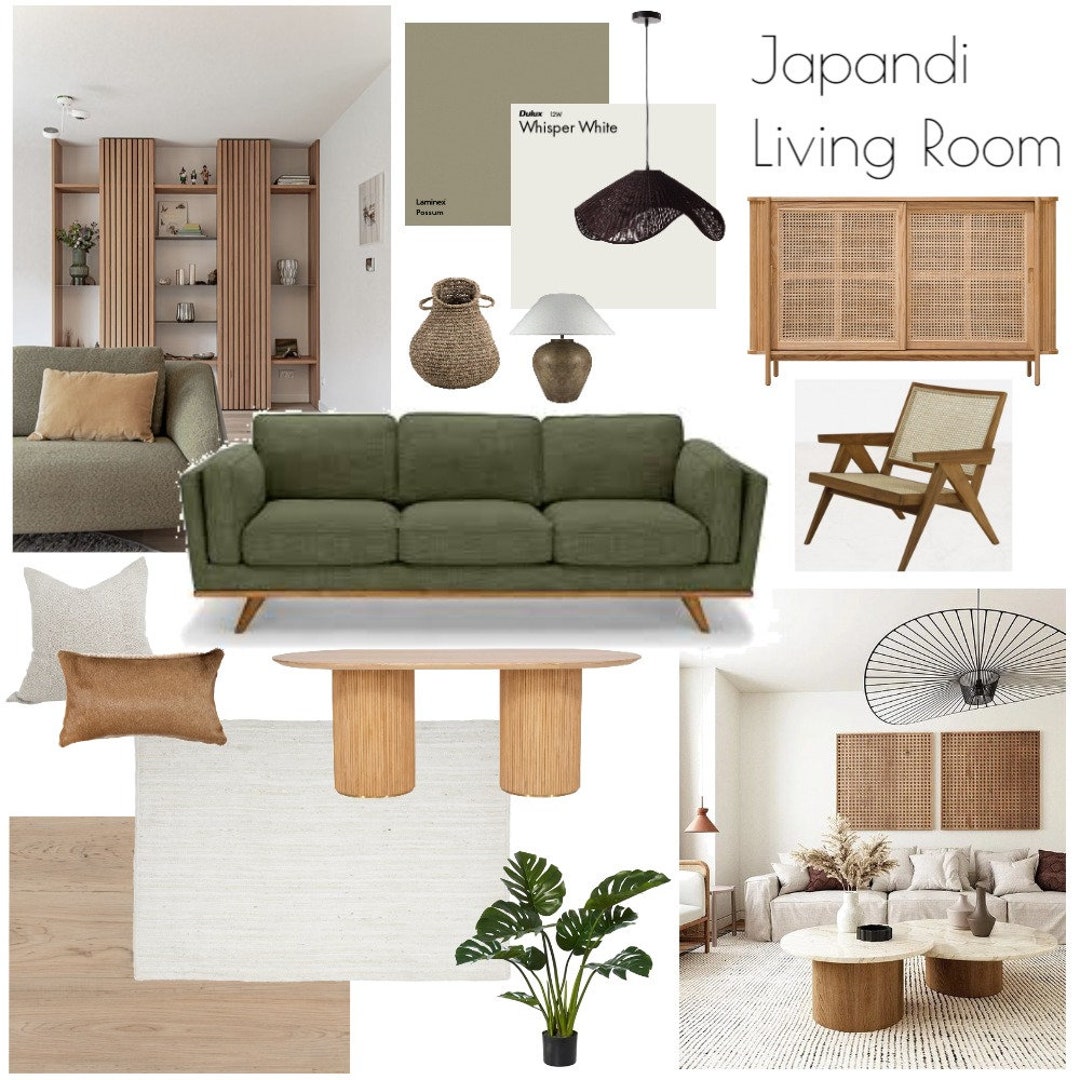
Table of Contents
Understanding Interior PushYourDesign
The Philosophy Behind Interior PushYourDesign
Core Elements That Define Interior PushYourDesign
Interior PushYourDesign for Different Spaces
Design Psychology and Emotional Impact
Trends Influencing Interior PushYourDesign Today
Tools, Technology, and Smart Planning
Personal Background and Career Insights Behind PushYourDesign
Common Mistakes and How to Avoid Them
FAQ
Conclusion
Understanding Interior PushYourDesign
What Does Interior PushYourDesign Really Mean?
At its core, interior pushyourdesign is not a fixed style like minimalism or industrial design. It’s a flexible design mindset. The idea is simple: push beyond default choices and design your interior intentionally around lifestyle, personality, and spatial logic.
Instead of copying trends blindly, this approach encourages asking better questions. How do you use the room daily? What makes you feel relaxed or energized? What design constraints are actually opportunities in disguise?
Why This Concept Is Gaining Popularity
In reality, many homeowners feel overwhelmed by endless inspiration online. According to housing design surveys, nearly 65% of people regret at least one major design decision within the first year of renovation. Interior pushyourdesign responds to that frustration by emphasizing thoughtful planning over impulse choices.
That said, it also respects creativity. You’re not boxed into rules; you’re guided by purpose.
Plutoscreen.org delivers smart digital solutions, AI tools, and growth strategies to help businesses scale faster with innovation and performance.
MomFamousParenting.org shares practical parenting tips, real mom stories, child development advice, and family wellness insights for modern parents.
The Philosophy Behind Interior PushYourDesign
Design That Starts With Real Life
Traditional interior design often starts with visuals. Interior pushyourdesign starts with behavior.
For example:
- A family with young children prioritizes durable materials and flexible layouts.
- A remote worker needs lighting and acoustics optimized for focus.
- A couple who loves hosting may sacrifice bedroom size for an open social area.
By designing around these realities, spaces feel intuitive instead of forced.
Pushing Boundaries Without Losing Comfort
On the other hand, pushing your design doesn’t mean making risky choices that age poorly. It means questioning defaults. Why must a sofa face a TV? Why should a dining room be formal if no one uses it?
Interior pushyourdesign challenges these assumptions while keeping comfort and usability front and center.
Core Elements That Define Interior PushYourDesign
Space Planning and Flow
Good design starts with how people move. Poor circulation creates daily friction, even in beautiful rooms.
Key principles include:
- Clear pathways with at least 90 cm of walking space
- Logical furniture groupings
- Visual balance between open and closed areas
Color Strategy and Mood
Color affects mood more than most people realize. Studies show that warm neutrals can increase feelings of comfort, while cooler tones improve focus. Interior pushyourdesign uses color intentionally, not randomly.
Accent colors are chosen to support emotion, not just trends.
Materials and Texture
Mixing textures adds depth. Think soft textiles against raw wood, matte finishes paired with subtle gloss. The goal is to create sensory richness without clutter.
This approach also favors quality over quantity, investing in fewer, better materials.
Lighting as a Design Tool
Lighting isn’t decoration; it’s structure. Layered lighting—ambient, task, and accent—defines how a room functions at different times of day. Interior pushyourdesign treats lighting as essential, not an afterthought.
Interior PushYourDesign for Different Spaces
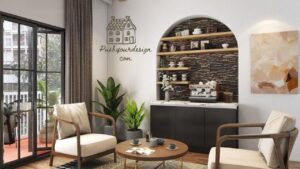
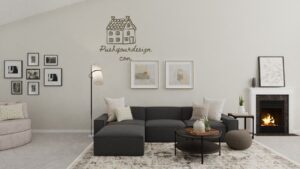
Living Rooms That Actually Get Used
Living rooms often fail because they’re designed for photos, not people. A pushyourdesign approach asks:
- Who uses this space most?
- Is conversation or media the priority?
- How flexible should seating be?
The result is a room that adapts to movie nights, guests, and quiet evenings equally well.
Bedrooms That Support Rest
Sleep research shows that visual clutter can increase stress levels by up to 30%. Interior pushyourdesign bedrooms focus on calm palettes, hidden storage, and lighting that supports circadian rhythms.
Kitchens Built for Real Cooking
A kitchen should match cooking habits. Someone who cooks daily needs different storage and workflow than someone who orders takeout. This design philosophy tailors layouts, countertop heights, and appliance placement accordingly.
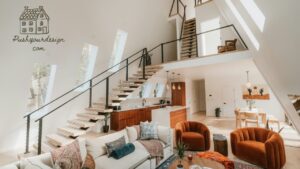
Small Spaces With Big Impact
In compact homes, interior pushyourdesign shines. Multi-functional furniture, vertical storage, and smart zoning can make small spaces feel surprisingly generous without sacrificing style.
Design Psychology and Emotional Impact
How Interiors Influence Well-Being
Environmental psychology confirms that our surroundings influence stress, productivity, and happiness. Natural light, balanced proportions, and tactile materials all contribute to emotional comfort.
Interior pushyourdesign integrates these insights rather than relying on intuition alone.
Personal Identity in Design
Your home is a reflection of your story. Incorporating personal artifacts, meaningful art, or custom elements makes spaces emotionally grounding. This approach values authenticity over showroom perfection.
Trends Influencing Interior PushYourDesign Today
Sustainability and Conscious Choices
More homeowners are choosing eco-friendly materials, not just for ethics but for health. Low-VOC paints and natural fibers improve indoor air quality and long-term comfort.
Flexible, Hybrid Spaces
Post-pandemic living changed how we use space. Rooms now serve multiple purposes. Interior pushyourdesign embraces modular layouts that evolve with changing needs.
Technology Integration
Smart lighting, climate control, and storage solutions are no longer luxury extras. When integrated thoughtfully, technology enhances comfort without dominating aesthetics.
Tools, Technology, and Smart Planning
Digital Visualization and Planning
Modern design tools allow realistic previews before any money is spent. This reduces costly mistakes and builds confidence in decisions.
Interior pushyourdesign often relies on 3D layouts and mood boards to test ideas early.
Budget Optimization
Contrary to popular belief, pushing your design doesn’t always mean higher costs. Strategic spending—splurging on focal points and saving on secondary elements—creates high-end results on realistic budgets.
Personal Background and Career Insights Behind PushYourDesign
The People Driving the Concept
Interior pushyourdesign emerged from designers frustrated with cookie-cutter solutions. Many began their careers in traditional studios, later branching out to create more personalized, lifestyle-driven approaches.
Their backgrounds often blend architecture, psychology, and practical construction experience, giving them a holistic perspective.
Career Journey and Achievements
Professionals associated with this philosophy have worked on residential, commercial, and hospitality projects worldwide. Achievements typically include award-winning interiors, international collaborations, and educational content that empowers homeowners.
Financial Insights and Value Creation
While net worth varies by individual, designers working under this approach tend to focus on value creation rather than luxury branding. Their success often comes from long-term client trust, repeat projects, and referrals rather than flashy marketing.
Common Mistakes and How to Avoid Them
Designing Without a Plan
Impulse purchases are the fastest way to create clutter. Interior pushyourdesign stresses planning first, buying second.
Ignoring Lighting
Even the best furniture looks dull under poor lighting. Always plan lighting alongside layout and color.
Overloading Trends
Trends fade. Personal comfort lasts. Use trends as accents, not foundations.
FAQ
Frequently Asked Questions
What makes interior pushyourdesign different from standard interior design?
It prioritizes lifestyle, behavior, and emotional comfort over fixed styles or trends.
Is interior pushyourdesign suitable for small apartments?
Absolutely. It’s especially effective in compact spaces where function matters most.
Does this approach require a large budget?
No. It focuses on smart choices, not expensive ones.
How long does a typical pushyourdesign project take?
Timelines vary, but thoughtful planning often reduces delays later.
Can I apply interior pushyourdesign without hiring a professional?
Yes, many principles are DIY-friendly, especially with proper research and planning.
How does this approach handle future changes?
Flexibility is built in, allowing spaces to evolve with life changes.
Is sustainability part of interior pushyourdesign?
Yes, conscious material and energy choices are strongly encouraged.
Does it work for commercial spaces?
Definitely. Offices, studios, and retail spaces benefit greatly from this mindset.
Conclusion
Interior pushyourdesign isn’t about perfection; it’s about intention. It invites you to slow down, understand how you live, and design accordingly. By blending psychology, practicality, and creativity, this approach creates spaces that feel natural, personal, and enduring.
When your home supports your daily life instead of fighting it, design stops being decoration and starts becoming a quiet, powerful form of self-care.