
Introduction
There’s something deeply personal about the way we decorate our homes. It’s not just about furniture or paint colors—it’s about how a space makes you feel when you walk into it after a long day. Decorating pushyourdesign has become a go-to approach for people who want more than cookie-cutter interiors and crave spaces that actually reflect who they are.
At its core, decorating pushyourdesign is about intentional creativity. Instead of blindly following trends, it encourages you to understand your lifestyle, your habits, and your emotional connection to your home before making design choices. That’s why it resonates with renters, homeowners, and even professional designers alike.
In reality, most people struggle with decorating because they feel overwhelmed. Too many options. Too many opinions. Too little confidence. This guide breaks everything down in a practical, human way—so you can design a home that feels right, not just looks good.
Whether you’re redesigning one room or rethinking your entire living space, this article will walk you through everything you need to know, step by step, without the fluff.

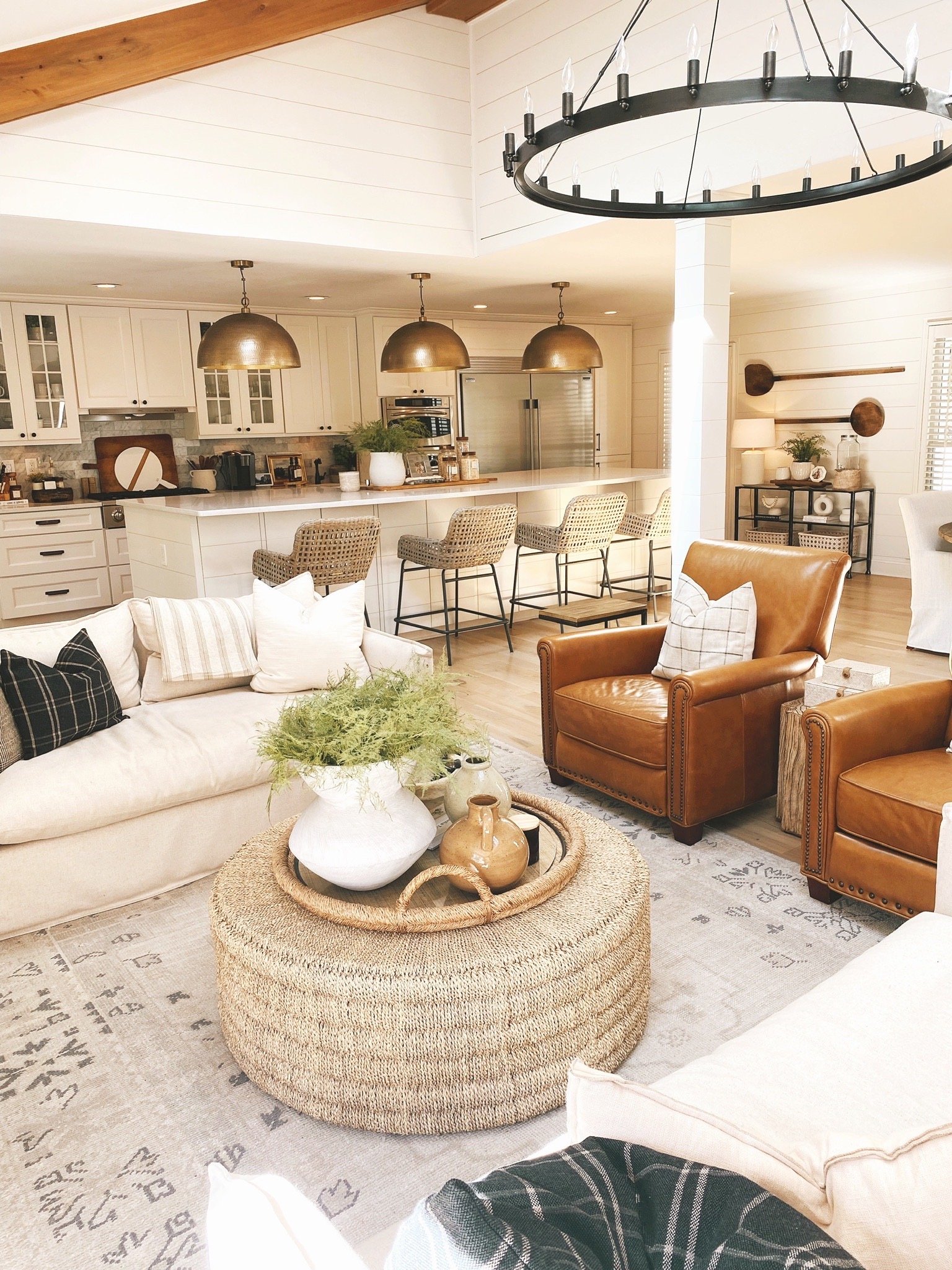
Table of Contents
Understanding Decorating PushYourDesign
Why Decorating PushYourDesign Matters Today
Core Principles Behind Decorating PushYourDesign
Room-by-Room Decorating PushYourDesign Strategies
Color, Texture, and Lighting Choices Explained
Budget-Friendly Decorating PushYourDesign Ideas
Mistakes to Avoid When Applying Decorating PushYourDesign
Personal Background and Creative Philosophy
FAQs About Decorating PushYourDesign
Conclusion
Understanding Decorating PushYourDesign
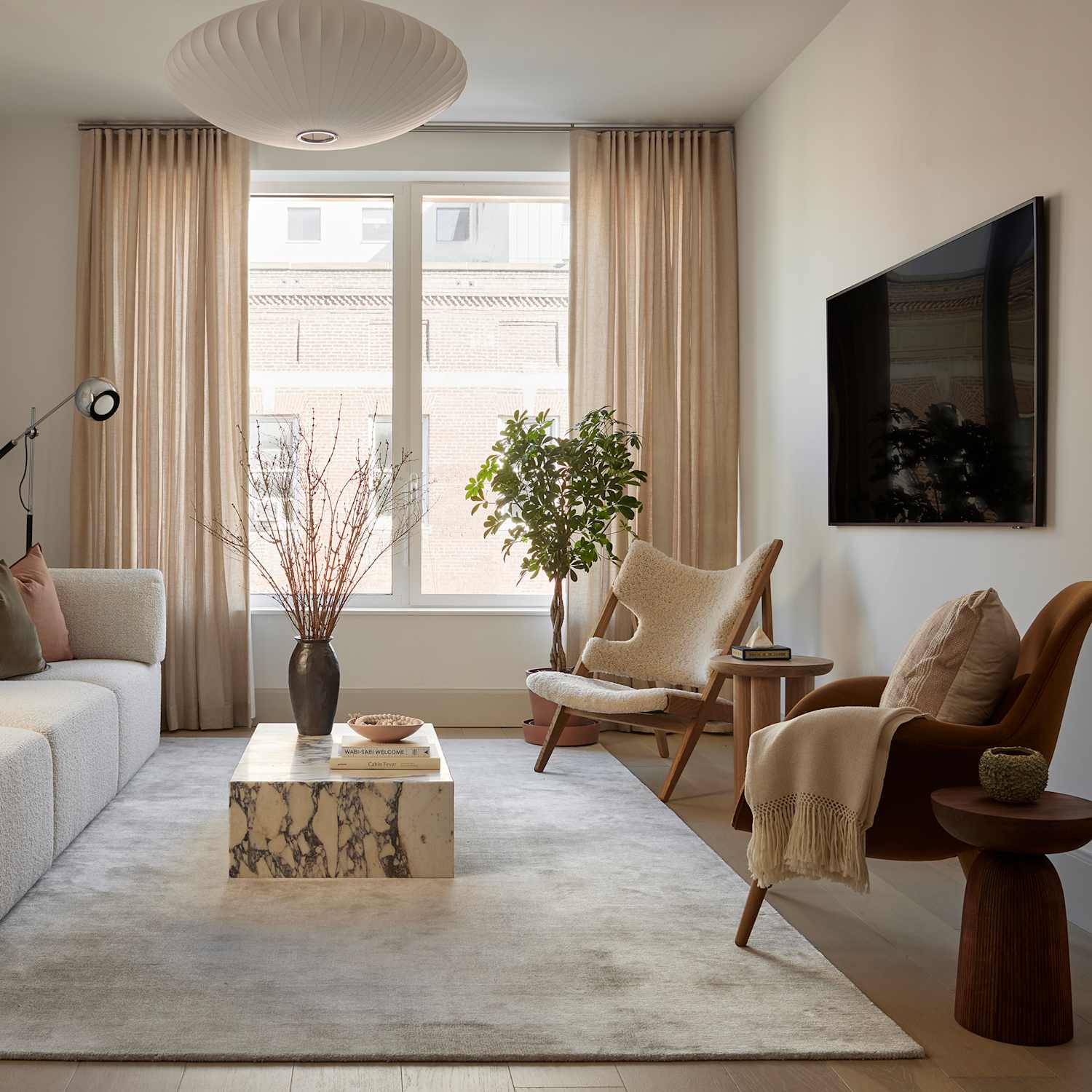
Decorating pushyourdesign isn’t a rigid style—it’s a mindset. It’s about pushing past generic layouts and embracing thoughtful, personalized design decisions that align with how you actually live. Explore epormsr.com for expert home improvement ideas, interior design inspiration, renovation tips, and smart living guides to create a stylish home.
What Decorating PushYourDesign Really Means
At a practical level, decorating pushyourdesign focuses on three things: function, personality, and balance. Your home should work for your daily routines, showcase your tastes, and feel visually calm rather than chaotic.
Unlike trend-driven decorating, this approach starts with questions like: How do you use this space? What stresses you out visually? What makes you feel relaxed or energized?
How It Differs From Traditional Decorating
Traditional decorating often starts with trends—what’s popular on social media or in magazines. On the other hand, decorating pushyourdesign starts with you.
For example, instead of forcing an all-white living room because it’s trendy, you might realize darker tones help you unwind. That insight alone changes everything.
Why Decorating PushYourDesign Matters Today
Modern life is fast, noisy, and mentally exhausting. Our homes have quietly become our emotional reset buttons.
Emotional Impact of Well-Designed Spaces
Studies in environmental psychology show that well-designed living spaces can reduce stress levels by up to 25%. That’s not a small number. Decorating pushyourdesign taps into this by prioritizing emotional comfort over visual perfection.
When your home reflects your values and habits, it supports your mental health instead of draining it.
Design in the Age of Remote Living
With more people working from home, spaces now serve multiple purposes. A dining table becomes a desk. A bedroom doubles as a reading nook. Decorating pushyourdesign thrives in this reality because it’s flexible by nature.
Core Principles Behind Decorating PushYourDesign
Understanding the principles makes execution far easier and far less intimidating.
Function Comes Before Aesthetics
A beautiful room that doesn’t function well eventually becomes frustrating. Decorating pushyourdesign flips the script by ensuring usability first.
Ask yourself:
- Can I move easily through this space?
- Does storage support my habits?
- Is furniture scaled correctly?
Intentional Personalization
This approach doesn’t mean cluttering your home with random items. It means choosing pieces with stories—art from local creators, furniture passed down through family, or souvenirs that spark joy.
Visual Balance and Flow
Balance doesn’t mean symmetry. It means distributing visual weight evenly. Mixing heavy furniture with lighter accents or pairing bold colors with neutrals keeps a space from feeling overwhelming.
Room-by-Room Decorating PushYourDesign Strategies
Different rooms serve different emotional purposes, and decorating pushyourdesign respects that.
Living Room Design That Feels Lived-In
Your living room should invite people to sit down and stay awhile.
Key tips:
- Use layered lighting instead of one harsh overhead fixture
- Choose seating based on how you actually entertain
- Add texture through rugs, throws, and cushions
Bedroom Spaces That Support Rest
Bedrooms are often overdesigned and under-relaxing. Decorating pushyourdesign encourages simplicity here.
Soft lighting, limited color palettes, and clutter-free surfaces make a measurable difference in sleep quality.
Kitchen and Dining Areas
Function dominates here. Storage solutions, easy-to-clean surfaces, and intuitive layouts matter more than decorative flourishes. That said, a bold backsplash or statement lighting can still reflect personality.

Color, Texture, and Lighting Choices Explained
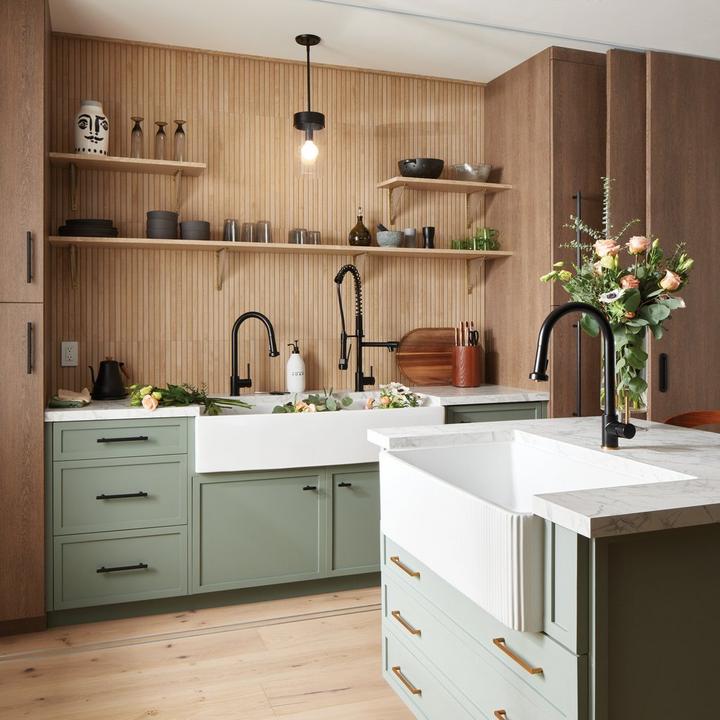
These elements define the emotional tone of a room more than furniture ever could.
Choosing Colors With Purpose
Color psychology plays a huge role in decorating pushyourdesign.
Examples:
- Blues and greens promote calm
- Warm neutrals feel grounding
- Muted earth tones encourage focus
Instead of choosing colors based on trends, test how they make you feel at different times of day.
Texture as a Design Tool
Texture adds depth without visual noise. Combining smooth surfaces with rougher materials—like linen with wood—keeps rooms from feeling flat.
Lighting That Adapts to Life

Good lighting changes everything. Use a mix of:
- Ambient lighting for general use
- Task lighting for work areas
- Accent lighting for mood
Lighting flexibility is a core principle in decorating pushyourdesign because life isn’t static.
Budget-Friendly Decorating PushYourDesign Ideas
Great design doesn’t require a massive budget—just clarity and patience.
Smart Spending Priorities
Spend more on:
- Sofas and mattresses
- Lighting fixtures
- Rugs
Save on:
- Decorative accents
- Wall art (DIY or prints)
- Temporary furniture
DIY Without Looking DIY
Painting, reupholstering, and minor furniture updates can dramatically change a space. The trick is restraint. One or two DIY projects per room keep things polished.
Thrift and Vintage Finds
Secondhand items often bring character you can’t buy new. Decorating pushyourdesign values uniqueness over perfection.
Mistakes to Avoid When Applying Decorating PushYourDesign
Even good intentions can go wrong without awareness.
Over-Personalization
Too much personalization can feel cluttered. Curate your displays instead of showcasing everything at once.
Ignoring Scale
Furniture that’s too large or too small disrupts flow. Measure before buying—even if it feels tedious.
Chasing Trends Too Closely
Trends fade. Personal comfort lasts. Decorating pushyourdesign reminds you to pause before copying what you see online.
Personal Background and Creative Philosophy
The decorating pushyourdesign approach grew out of years of observing how people actually live in their homes, not how they photograph them. Designers who follow this philosophy often start in non-traditional ways—self-taught, hands-on, and deeply influenced by psychology rather than fashion.
Career journeys in this space usually blend interior styling, spatial planning, and content creation. Over time, many creators build successful brands through consultations, digital courses, and design tools. While financial figures vary, established professionals in this niche can earn six-figure incomes annually through diversified design services and digital products.
What sets them apart isn’t flashy aesthetics—it’s trust. People feel understood, not sold to.
FAQs About Decorating PushYourDesign
What makes decorating pushyourdesign different from minimalism?
Minimalism focuses on reduction. Decorating pushyourdesign focuses on intention, whether that results in simplicity or richness.
Is decorating pushyourdesign suitable for small apartments?
Absolutely. In fact, it often works better in small spaces because function is prioritized.
How long does it take to see results?
Most people notice improvements in comfort and flow within weeks, even before finishing a full redesign.
Can renters apply decorating pushyourdesign principles?
Yes. Temporary solutions like peel-and-stick decor and modular furniture work perfectly.
Do I need professional help?
Not necessarily. Many people successfully apply decorating pushyourdesign independently with planning and patience.
How often should I update my space?
Only when your lifestyle changes. Decorating pushyourdesign discourages unnecessary updates.
Is this approach family-friendly?
Very much so. It adapts to children, pets, and evolving needs.
Can decorating pushyourdesign increase home value?
Thoughtful design choices often improve functionality and appeal, which can positively influence resale value.
Conclusion
At the end of the day, decorating pushyourdesign isn’t about impressing guests or keeping up with trends. It’s about creating a home that supports your life quietly, comfortably, and honestly. When your space reflects who you are and how you live, everything feels easier—from relaxing to focusing to connecting with others.
Design shouldn’t feel intimidating or exclusive. With patience, awareness, and a willingness to trust your instincts, decorating pushyourdesign becomes less of a project and more of a natural evolution—one thoughtful choice at a time.