
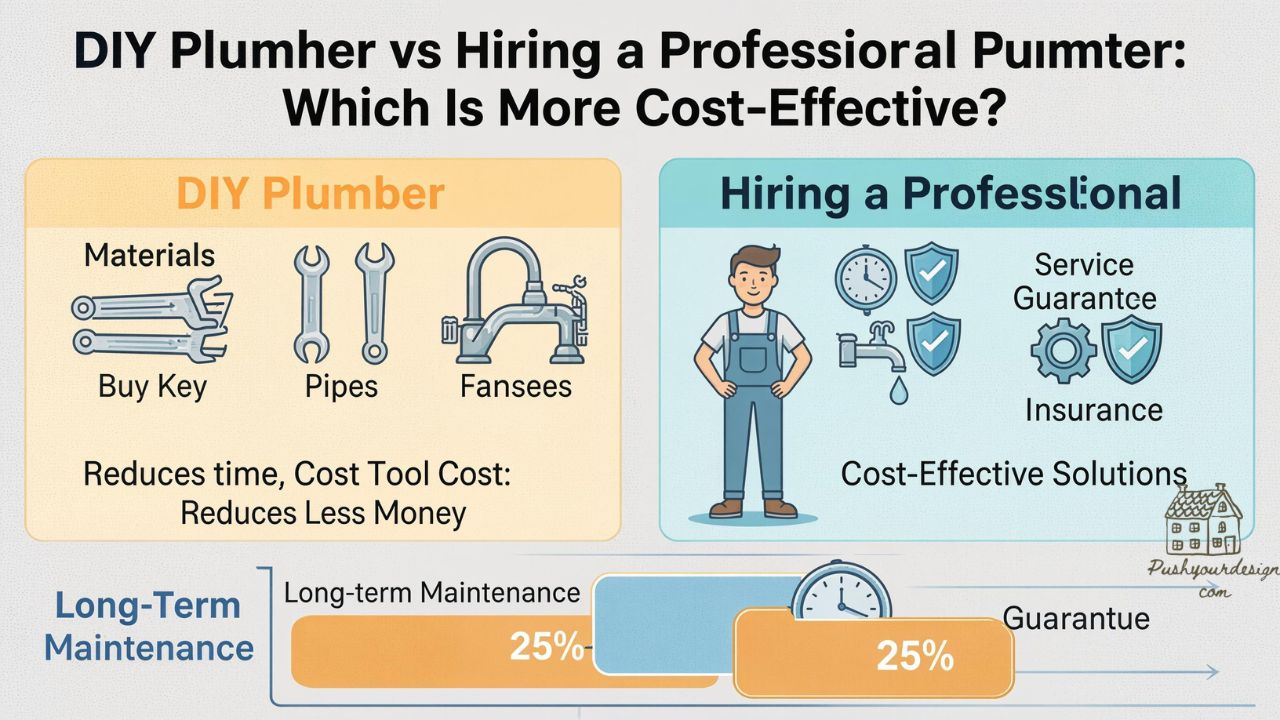
Home and family maintenance often brings plumbing issues to the forefront, leaving homeowners to decide between DIY approaches and hiring a professional. Plumbing can be a significant aspect of maintaining a healthy and functional home environment, and understanding the cost-effectiveness of each approach is essential. This article delves into the costs, risks, and benefits of DIY plumbing compared to professional services, helping you decide which is more suitable for your household needs.
DIY Plumbing: Cost and Risks Explored
Taking on plumbing tasks yourself can be appealing due to potential cost savings. DIY plumbing often involves purchasing necessary tools and materials, such as pipe wrenches, plumbing tape, and washers. While the upfront costs might seem lower, homeowners must consider the risk of improper installation or repair, which can lead to more significant issues over time. For instance, failing to comply with Lead-Based Paint Compliance regulations could result in health hazards, particularly in older homes. Additionally, if a task involves complex systems like a Radon Mitigation System, the lack of professional expertise might compromise the effectiveness of the solution. Furthermore, DIY plumbing projects can be time-consuming and may not take into account the need for an Indoor Air Quality Monitor, which ensures the plumbing work does not negatively impact air circulation. The risk of exacerbating existing problems by overlooking critical details often outweighs the initial cost savings.
Moreover, hiring a Plumber can bring peace of mind and reliability to plumbing repairs and installations.
Professional Plumber Services: Are They Worth It?
Hiring a professional Plumber can bring peace of mind and reliability to plumbing repairs and installations. Professional Plumbers are equipped with the necessary expertise and tools to handle complex projects efficiently and safely. For example, a Universal Design Consultant might be involved in bathroom renovations, ensuring accessibility standards are met. The use of specialized equipment and adherence to regulations, such as Green Building Compliance, can prevent future issues and costly repairs.
Recent analysis from Houzz indicates that professional plumbing services can significantly reduce long-term costs by preventing common pitfalls associated with DIY approaches. Moreover, professionals can conduct a thorough Home Energy Audit during their service, identifying areas where plumbing efficiency can be improved, thus saving on utility bills.
Professional Plumbers also offer warranties and guarantees on their work, providing additional assurance that the job is done correctly. Such services often include a comprehensive assessment, similar to a Childproofing Assessment, ensuring that every aspect of the plumbing system is safe and functional.
Factors to Consider When Choosing Between DIY and Professional Plumbing
When deciding between DIY plumbing and professional services, homeowners should evaluate several factors. The complexity of the plumbing issue is paramount; tasks like an Asbestos Survey Protocol should only be handled by experts. Additionally, consider the potential long-term savings versus immediate costs. Investing in professional services might seem costly upfront but could save money by avoiding future repairs.
Homeowners should also weigh their own skill level and experience. A Smart Home Integration Specialist might be required for integrating new technologies into existing systems, which could be beyond the scope of DIY capabilities. The availability and cost of necessary tools and materials are other considerations; sometimes, the investment in tools for a one-time project does not justify the savings.
According to Better Homes & Gardens, homeowners should also factor in the time and effort required to complete a project. DIY plumbing can be labor-intensive and may detract from other home and family responsibilities.
Tips for Deciding on DIY or Professional Plumbing Solutions
To make an informed decision, start by assessing the scope of the plumbing issue. Small, straightforward tasks might be suitable for DIY projects, whereas larger, more complicated repairs should be left to professionals. Conduct a Home Inventory Software review to understand the tools and resources you already have versus what is needed.
Consider seeking advice from a Family Wellness Coordinator to ensure that plumbing decisions align with the health and safety needs of your household. If you choose to hire a professional, request quotes from multiple Plumbers, including their experience with Eco-Friendly Material Sampling, to ensure you select the most cost-effective option.
Finally, evaluate the potential impact on your home’s energy efficiency. Any plumbing work should ideally contribute to maintaining or improving your home’s Energy Star Certification, ensuring that installations do not compromise energy savings.
Conclusion
Both DIY and professional plumbing solutions offer distinct advantages and potential drawbacks. For many homeowners, the decision hinges on balancing immediate costs with long-term benefits. Professional services often provide comprehensive solutions that safeguard against future issues, while DIY approaches can be cost-effective for simple tasks. Ultimately, choosing the right path depends on the complexity of the project, personal expertise, and long-term home and family goals. Ensuring that plumbing decisions contribute positively to your household’s efficiency and safety will yield the greatest value.